— Proof
On a platform lineage field-proven across 4M+ units.
MOS4 is the next-generation OS on the Munic platform line. The lineage carries four field-proven deployment lines and seven production verticals — including connected-car insurance carriers and telco-bundled car-data services. Named protocol stacks. Standards you can look up independently.
Platform lineage
Four deployment lines on the Munic platform line at 4M+ units.
Metromile (now Lemonade) · North America
Hundreds of thousands of units. Continuous since ~2013.
The Metromile per-mile insurance programme (acquired by Lemonade, 2022) shipped MUNIC C4E OBD dongles for its Pulse product since the MDI era — public-record relationship confirmed by the US-CERT VU#209512 OTA-patch collaboration in 2015.
T-Mobile SyncUP DRIVE · United States
Hundreds of thousands of units. Since 2020.
T-Mobile's SyncUP DRIVE subscriber telematics product runs on MUNIC OBD hardware on the US network. Multi-year, multi-cohort rollout.
ADAC Smart Connect · Germany
21 M members. Live since 2022.
ADAC e.V. — the largest motorist association in Europe (21 million members) — runs the Smart Connect programme on the MUNIC platform: edge OBD dongle plus cloud-side workshop diagnostic integration. 10 000-user pilot summer 2022, full launch January 2023.
European OEM fleet programmes · NDA
Multiple programmes, large OEMs.
Several European OEM fleet programmes — passenger-car and commercial-vehicle — under mutual NDA. Sales mediates a reference call inside the same vertical.
State-of-the-art telematics frontend built on top of MOS4 telematics: ekkofleet.com.
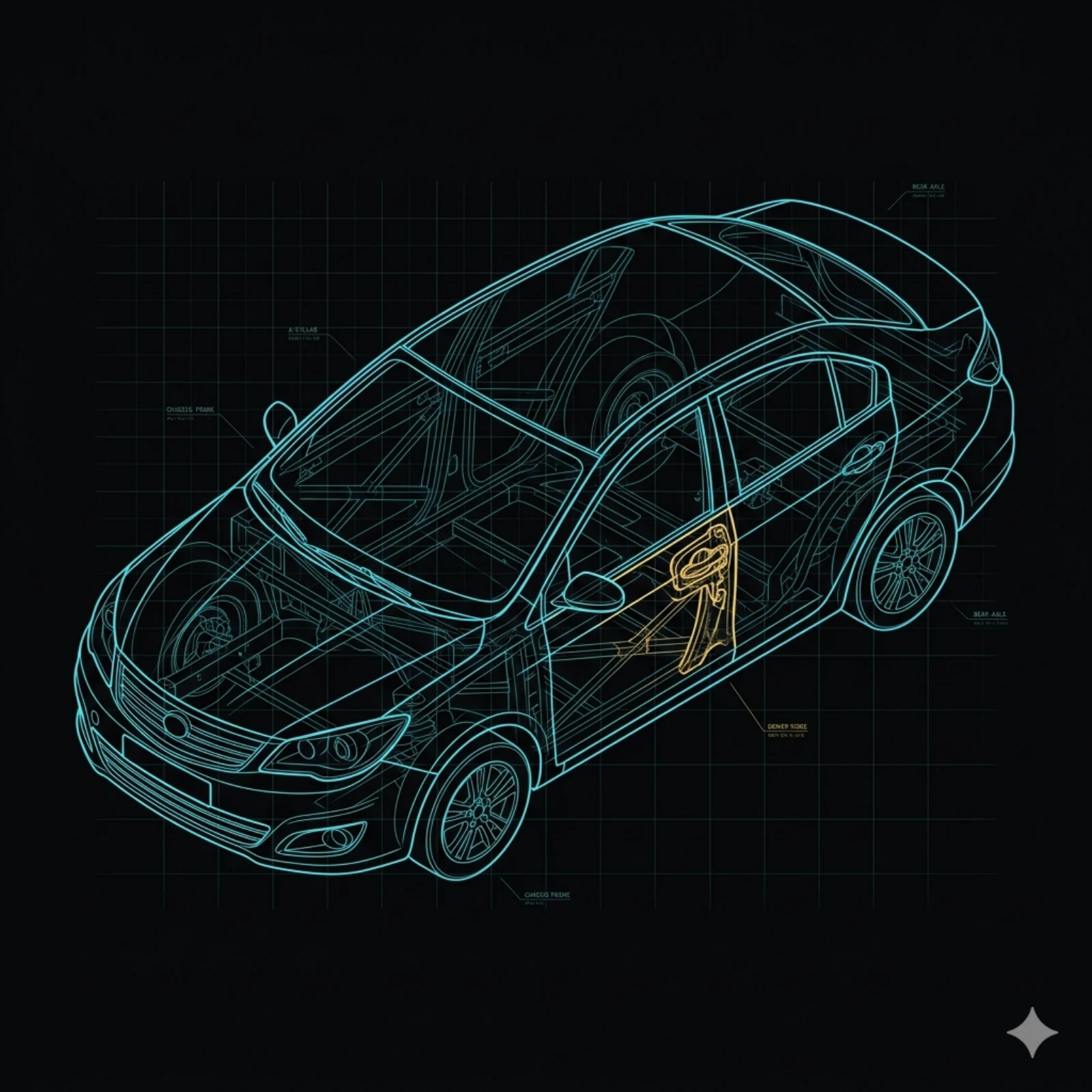
Fleet-wide rollout on a flagship performance brand.
A leading performance-vehicle OEM ships MOS4 fleet-wide. Multi Stacks decodes the OEM-private CAN dialect; OBDStacks adds the proprietary parameter identifiers (PIDs); the on-device AI pipeline powers driver feedback. One ECU (Electronic Control Unit), one OS, one OTA (Over-The-Air) channel.
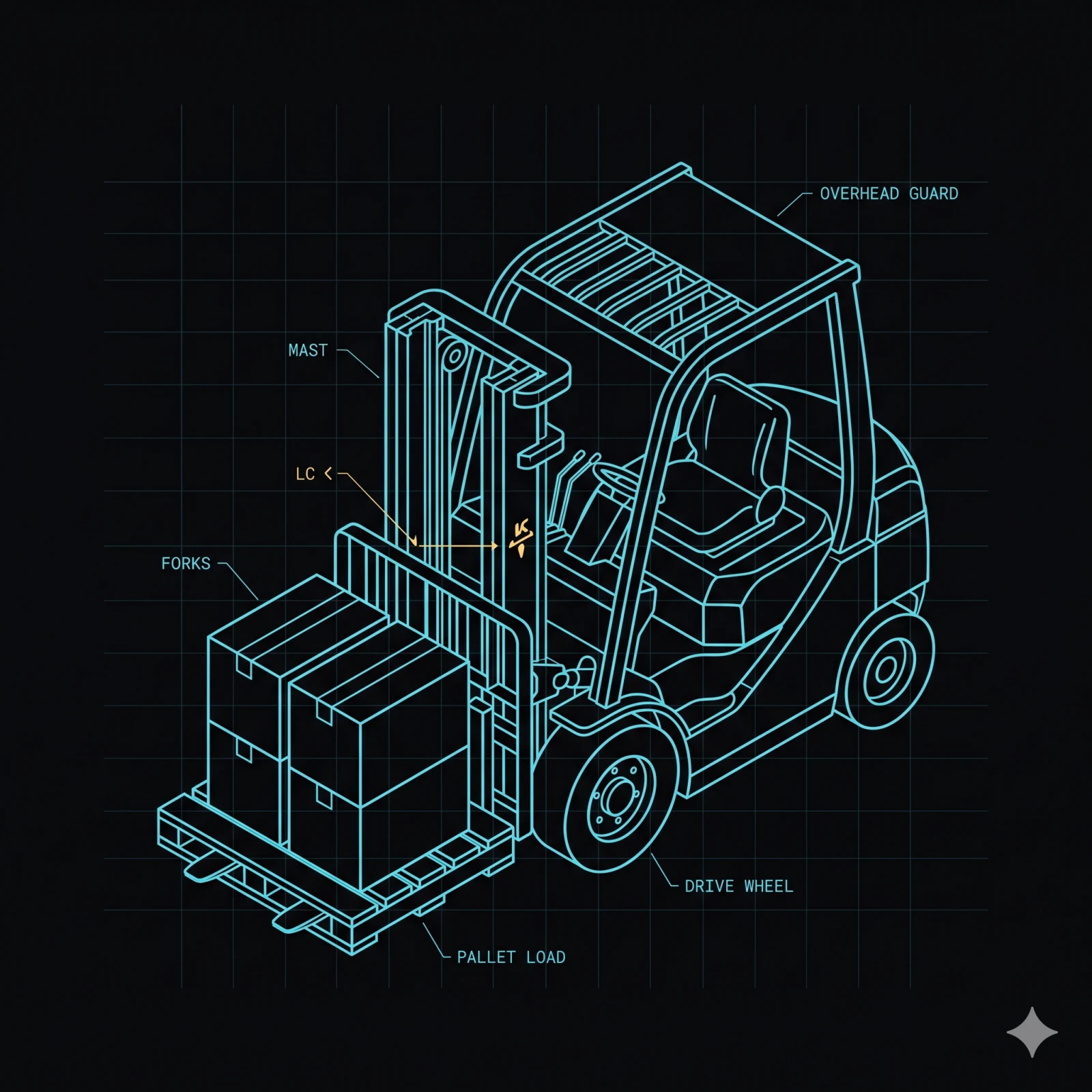
Globally deployed ground-operations vehicles.
A global airport ground-operations manufacturer runs MOS4 on its specialty-vehicle fleet — telemetry over MD21, on-board observability via OpenTelemetry, and a remote-diagnostics workflow that reduced in-field debug time from days to hours.
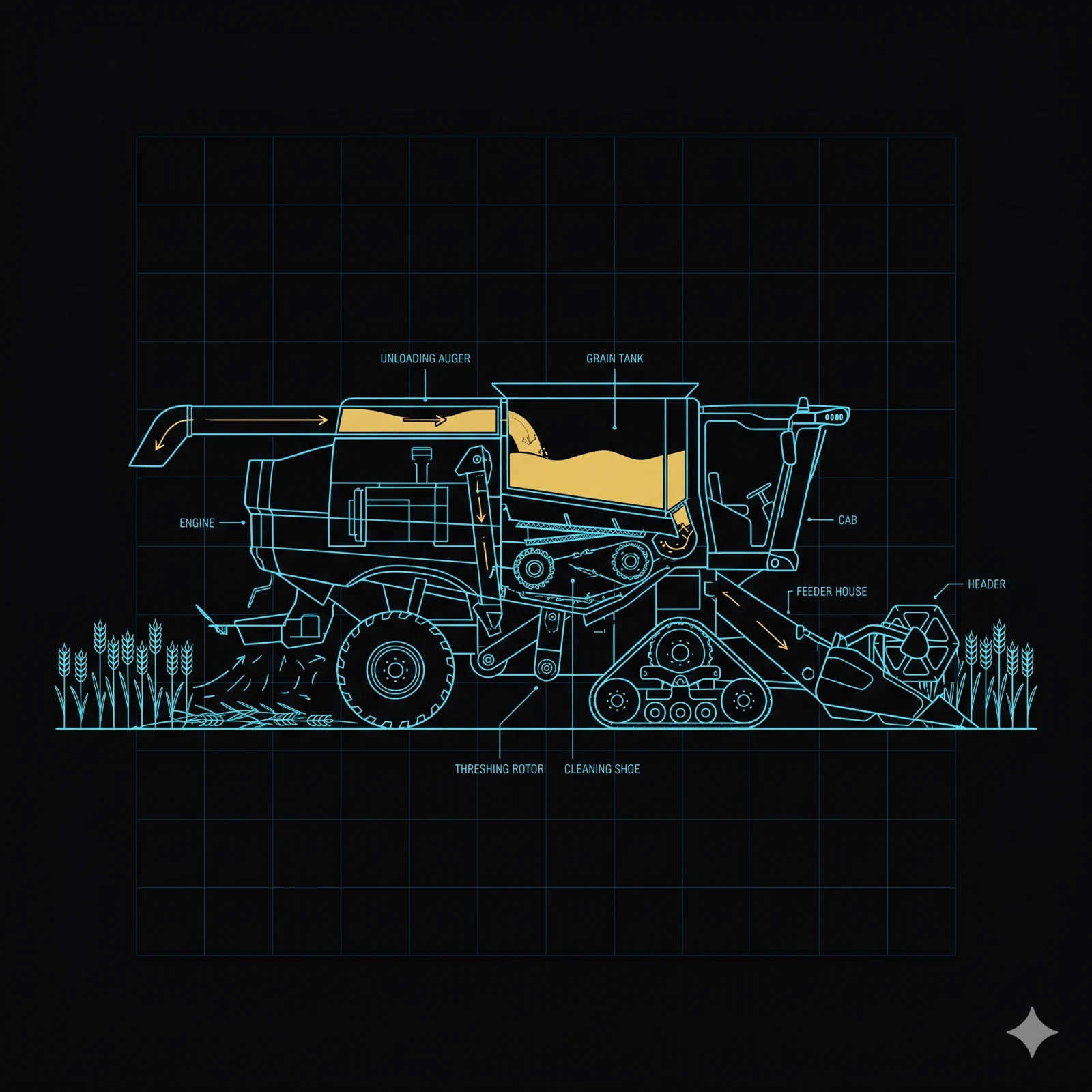
Regional rollout of an ISOBUS-first programme.
An agricultural-machinery manufacturer ships ISOBUS (ISO 11783 agricultural machinery network)-first equipment on MOS4. On-device inference models retrain on crop and asset data captured at field cadence; operator-grade dashboards run on the same box. ISOBUS acquisition is read-only.
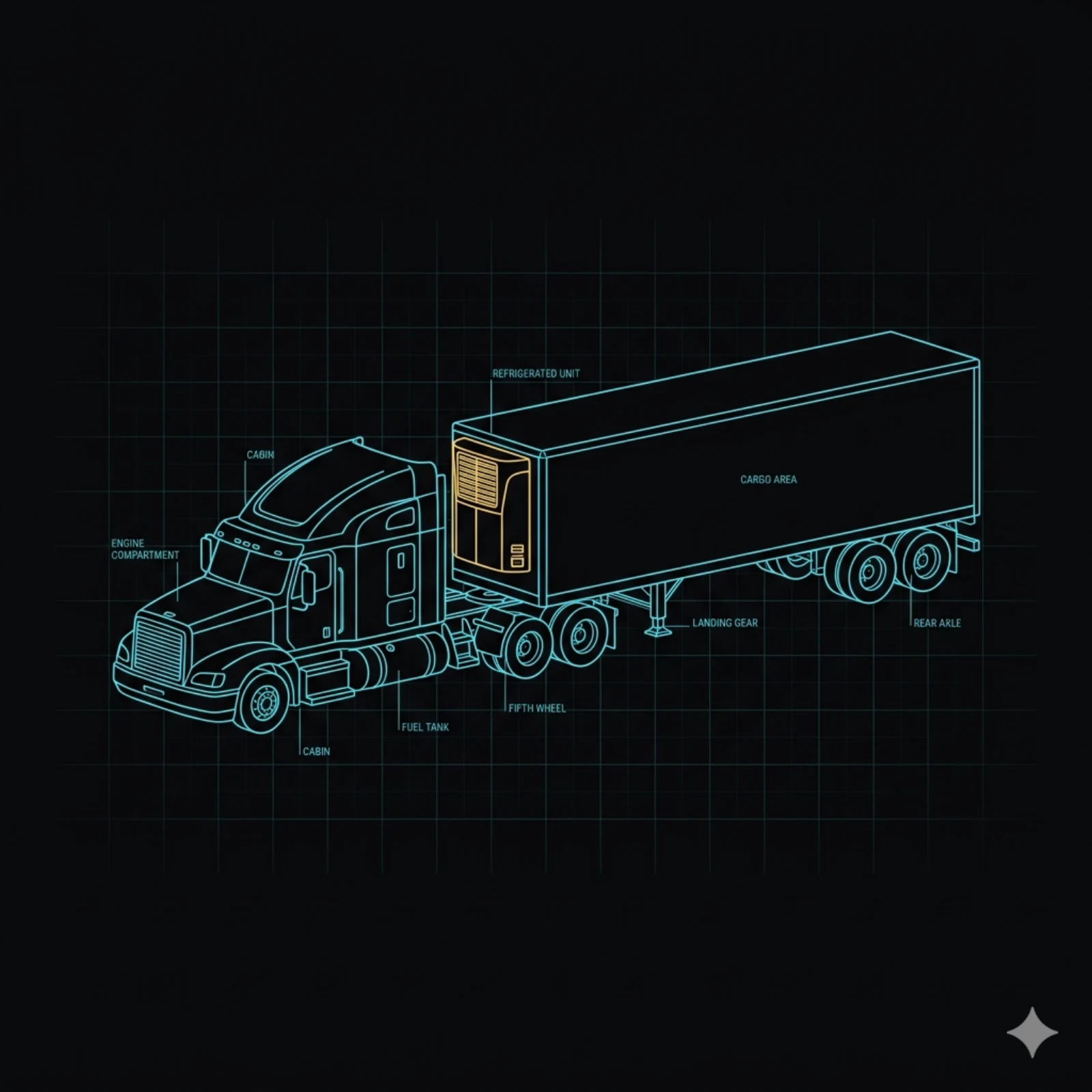
Off-highway-machine maker on the same OS as the road fleet.
An off-highway machinery maker uses MOS4 to unify its on-road and off-road programmes — Multi Stacks for J1939 (heavy-duty vehicle network) + CAN-FD, ROI shader for the camera plane, signed OTA across both vehicle classes.
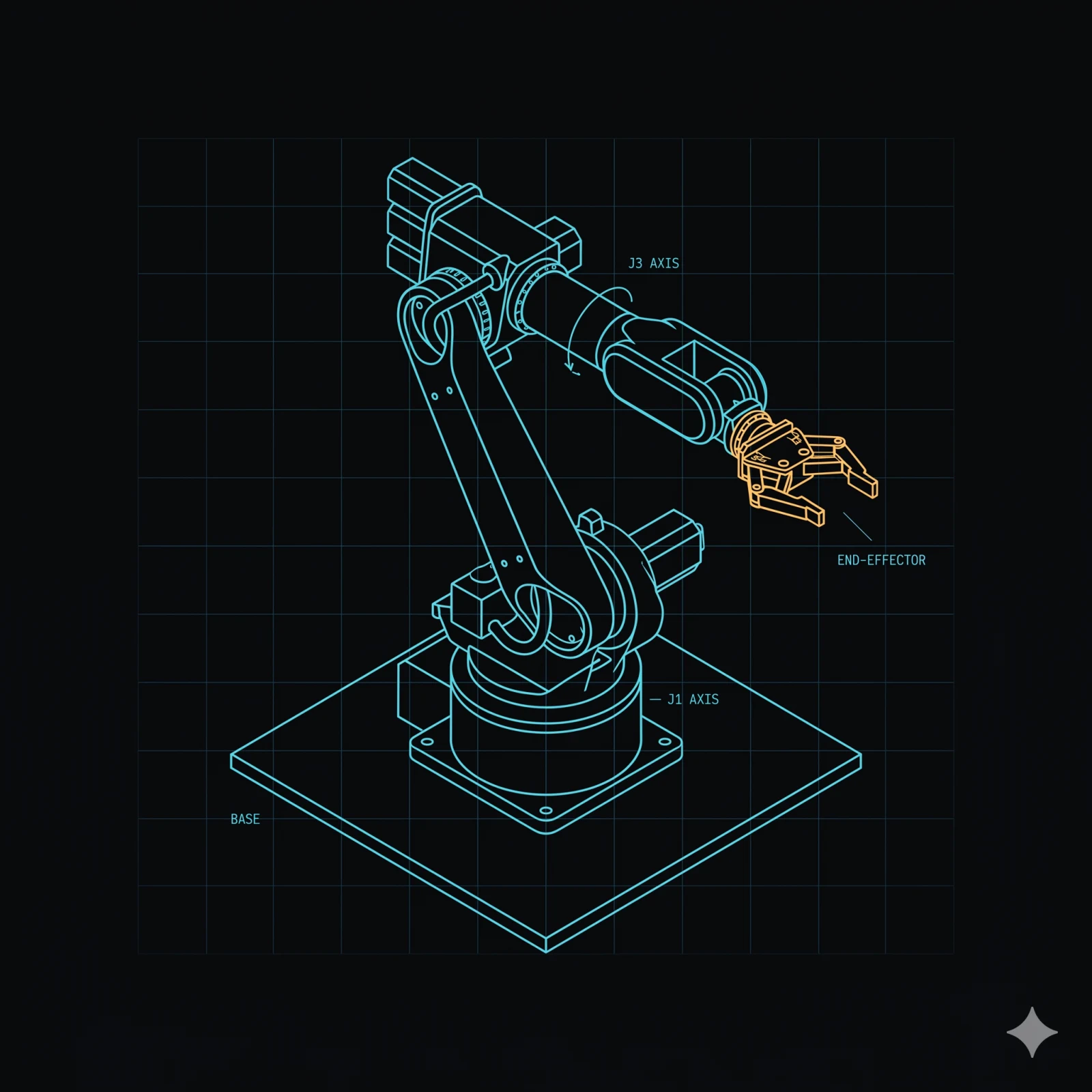
Modbus / RS485 plant rollout with autonomous-arm support.
An industrial-automation integrator ships MOS4 inside autonomous-arm gateways. Modbus RTU and RS485 ride alongside CAN; Sentry and OpenTelemetry feed the same observability stack the cloud team already runs.
Pay-as-you-drive carrier scoring on the Munic platform line.
A North-American connected-car insurance carrier ships the platform behind its usage-based motor programme. Driving-behaviour scoring, mileage capture, and crash-signature detection run on-device; signed event payloads land in the carrier cloud. MOS4 continues the same buyer profile for next-generation programmes — PAYD, PHYD, claims-reconstruction, fleet insurance.
Carrier-bundled connected-car service on the Munic platform line.
A European MVNO ships connected-car services bundled with the cellular subscription on the same platform lineage — trip history, driver alerts, WiFi access point in the car. Dual APN and eUICC Consumer profiles let the same box travel across markets without a board re-spin. MOS4 continues this buyer line for Tier-1 carriers and regional MVNOs.
Customer names, fleet sizes, and uptime numbers are kept off this page until sales explicitly clears them. Request a reference call for the full conversation under NDA.
Migration evidence
Previous generation → MOS 4.x: concrete before/after.
These are internal matrix figures from a real migration, not a synthetic benchmark.
- First-app-ready boot: ~90 s
- Steady-state RAM: ~60 MB
- Flash footprint: ~60 MB (jar + bin + AOT)
- First-app-ready boot: 1.6 s
- Steady-state RSS: 28.4 MB
- Flash footprint: ~30 MB release
Standards coverage
13 standards. Every one publicly specified.
| Standard | Reference |
|---|---|
| CAN Classical | ISO 11898 |
| CAN-FD | ISO 11898-1:2015 |
| ISO-TP | ISO 15765-2 |
| DoIP | ISO 13400 |
| KWP2000 / K-Line | ISO 14230 / ISO 9141 |
| UDS | ISO 14229 |
| J1939 | SAE J1939 |
| J1587 / J1708 | SAE J1587 / J1708 |
| J1850 VPW/PWM | SAE J1850 |
| ISOBUS | ISO 11783 |
| OBD-II | SAE J1979 |
| J2534 PassThru | SAE J2534 04.04 |
| FMCSA ELD | FMCSA 49 CFR Part 395 |
22 production-ready stacks — OBD-II (On-Board Diagnostics II), UDS (Unified Diagnostic Services, ISO 14229), J1939, ISOBUS, OBFCM, Modbus, CANopen — validated on every CI push via Python/pytest standalone tests. Source: obdstacks-v2.
Security toolchain
Verifiable from the release artefacts.
SBOM (Software Bill of Materials), CVE scan, licence compliance, unsafe Rust audit, static analysis — every micro service, every commit, via the ci-gamma shared template.
| Tool | Scope | Output |
|---|---|---|
| cargo audit | CVE advisory scan | Blocking on critical advisory |
| cargo geiger | Unsafe Rust audit | Unsafe usage delta per release |
| cargo deny | OSS licence compliance | Blocking on disallowed licence |
| cargo cyclonedx | SBOM generation | CycloneDX JSON per release |
| semgrep | Static analysis | Rule-set violations blocking merge |
| pytest / distro e2e | Integration harness | 22 OBD stacks on every CI push |
Test infrastructure
Hardware-in-the-loop, not only simulation.
Integration test coverage includes hardware as well as simulation paths.
Want a reference call?
Sales mediates a 30-minute call with a customer in your vertical, under mutual NDA.